Japanese Knotweed Identification in Crewe
How to Identify Japanese Knotweed in Crewe
Learn how to identify Japanese knotweed in Crewe gardens, along rear boundaries, near garages and outbuildings, around older residential streets and on land being cleared for development.
Knotweed Doctor provides practical identification advice for homeowners, buyers, sellers, landlords, developers and property professionals across Crewe, with formal surveys available where professional confirmation is needed.
Need Help Identifying Japanese Knotweed in Crewe?
Call 0800 020 9171
info@knotweeddoctor.co.uk
Contact Us

Japanese Knotweed Identification for Crewe Properties
Japanese knotweed can look very different depending on the time of year, which is one reason it is so often misidentified. In Crewe, we regularly see concern raised in rear gardens, behind garages, along fence lines, near extensions, around older terraces and semis, and on plots being prepared for sale, clearance or redevelopment.
Depending on the season, knotweed may appear as red asparagus-like shoots, fast-growing green canes with shield-shaped leaves, dense summer stands, clusters of creamy white flowers, or dry brown winter canes. Where soil has been moved or disturbed, rhizome material can also provide an important clue.
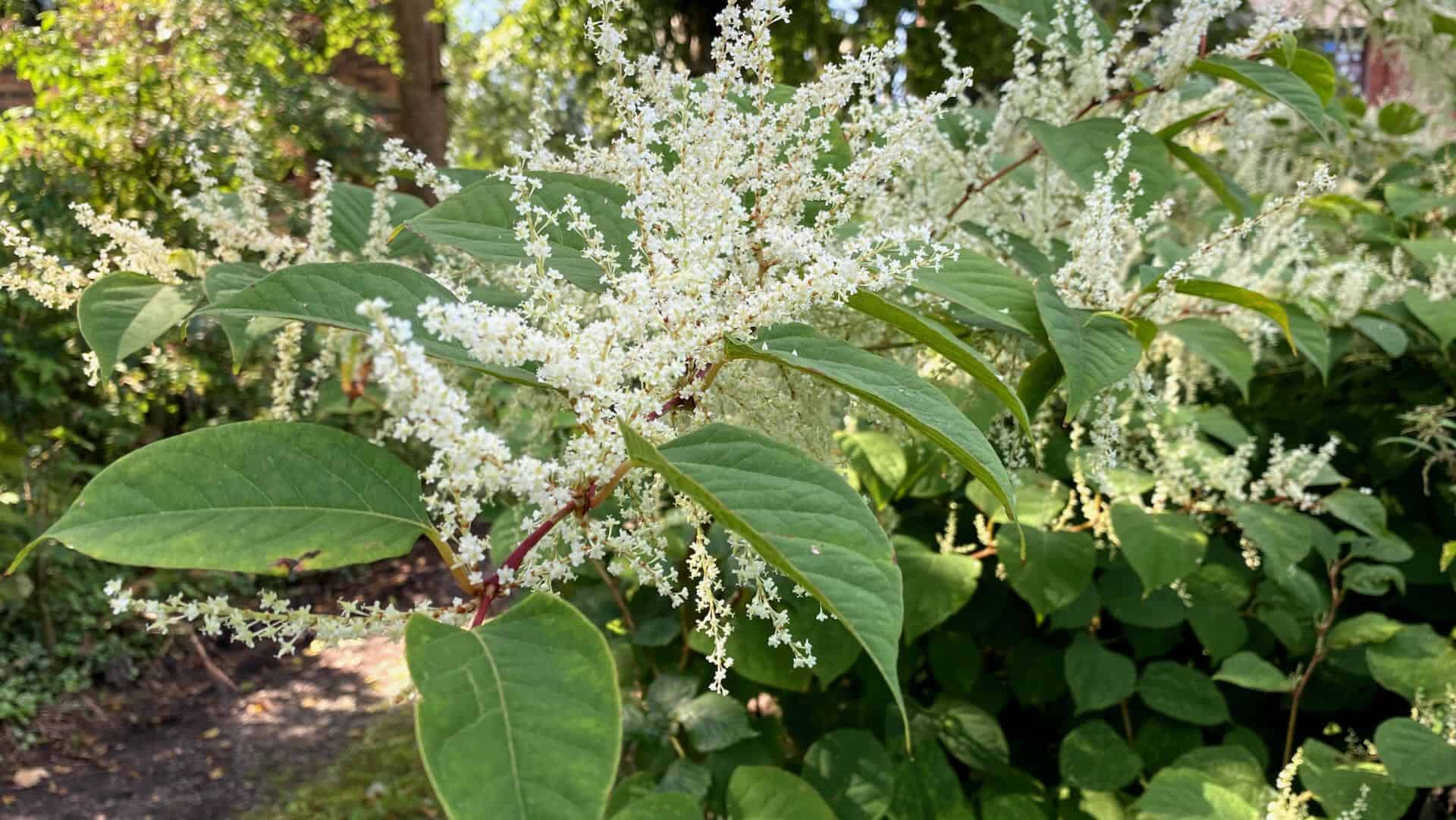
Typical features include red or purple spring shoots, a distinct zig-zag stem pattern, broad green leaves with a flatter base, hollow segmented canes with purple speckling, white flower clusters in late summer, orange-yellow rhizome and brittle brown winter growth.
Where Japanese Knotweed Is Often Spotted in Crewe
Rear Gardens & Garages
In Crewe, knotweed is often first noticed in back gardens where growth appears near sheds, garage bases, old hardstanding, fence corners, compost areas or neglected strips behind the main garden.
Boundaries & Access Routes
It commonly causes concern where it appears close to shared boundaries, rear access ways, service alleys, neighbouring land or unmanaged strips behind residential plots.
Cleared Land & Redevelopment Sites
On cleared or previously disturbed land in and around Crewe, knotweed may be identified from old crowns, dead canes, regrowth through rubble or visible rhizome within made ground.
How Japanese Knotweed Changes Through the Year

1. Spring Shoots
In spring, Japanese knotweed begins to emerge as red or purple spear-like shoots. On Crewe properties, this is often the first sign noticed after winter die-back.

2. Young Growth
As temperatures rise, the leaves begin to unfurl and the stems gain height quickly. At this stage, knotweed is often mistaken for other vigorous garden growth unless the stem pattern is checked carefully.

3. Zig-zag Stem Pattern
One of the strongest identification clues is the alternate leaf arrangement along the cane, creating a clear zig-zag appearance rather than a woody or evenly branched habit.
4. Mature Leaves
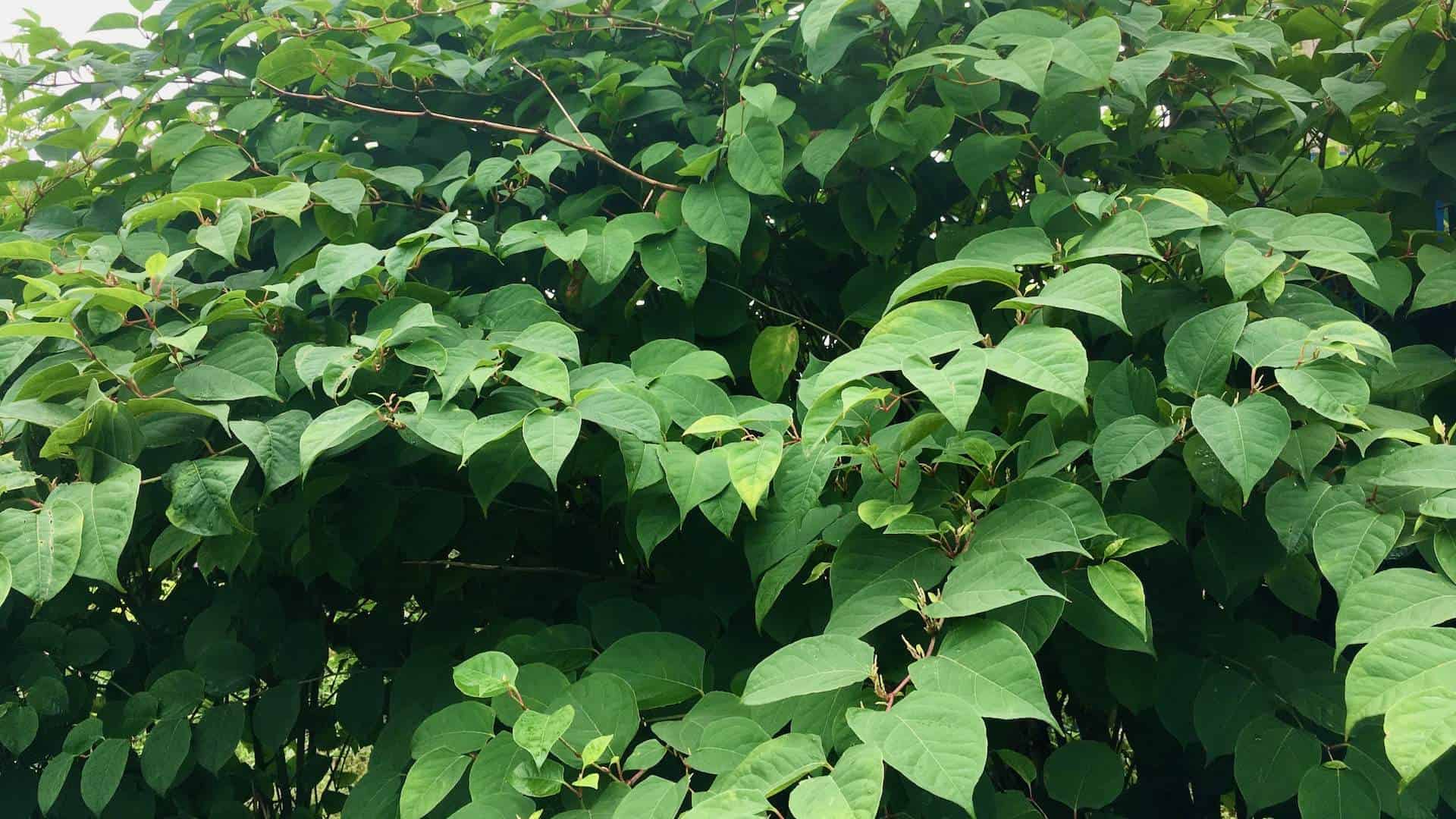
Mature Japanese knotweed leaves are usually shield-shaped or spade-like, with a broad flatter base and pointed tip. During summer, this is one of the clearest visual features.
5. Bamboo-like Canes
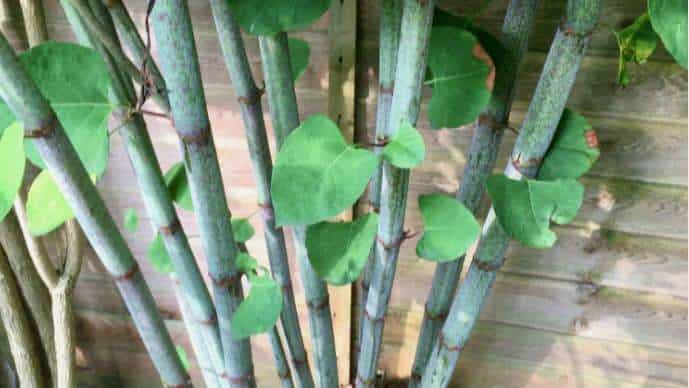
By summer, the stems are usually hollow, segmented and often marked with red or purple flecking, giving the plant its familiar bamboo-like appearance.
6. Late Summer Flowers
In late summer, Japanese knotweed often produces clusters of small cream or white flowers. At this stage, it is often at its tallest and easiest to spot on a site.
Rhizome & Winter Canes

Japanese Knotweed Rhizome
Japanese knotweed spreads mainly through its underground rhizome system. On Crewe development sites, gardens and disturbed plots, rhizome fragments can be one of the most important indicators where visible growth is limited.
- Dark brown outer skin
- Orange or yellow internal tissue
- Deeper orange central core
This colouring can help distinguish knotweed rhizome from normal roots. It often snaps cleanly when broken and can regrow from relatively small fragments if it is moved during digging or clearance.

Winter Canes
In autumn and winter, Japanese knotweed dies back above ground and is often left standing as brittle brown canes. Although the site may look dormant, the rhizome below the surface may still be fully viable.
For Crewe inspections, dead canes can still provide useful evidence. They may indicate the footprint of previous growth, support identification outside the main season and help locate the old crown positions.
Why Japanese Knotweed Is Often Misidentified in Crewe
It changes appearance through the seasons
Knotweed can look completely different in spring, summer and winter, so people often compare the wrong growth stage to online examples.
Several vigorous plants can look similar
Fast-growing shrubs, climbers and ornamental plants are regularly mistaken for knotweed when only leaves or stems are visible.
Site context often matters as much as the plant
Boundaries, structures, neighbouring land, access routes, garages and redevelopment plans can all affect how seriously suspected knotweed needs to be assessed.
Transactions and development work may require formal confirmation
If a sale, purchase, mortgage, valuation issue or site clearance project is involved, informal identification may not be enough and a professional survey is often the safer next step.
Plants Commonly Mistaken for Japanese Knotweed
Japanese knotweed is often confused with other fast-growing plants, especially during spring and summer. In most cases, correct identification comes from looking at the overall growth habit, the leaf shape, the cane structure and the way the plant changes through the year.
Bindweed
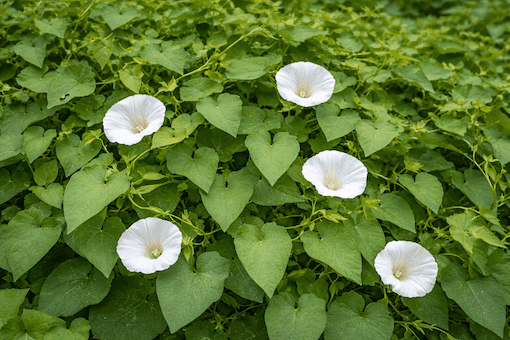
Bindweed is a climbing plant that twists around fences, stems and shrubs. It does not produce the upright hollow canes or thick perennial crowns typically associated with Japanese knotweed.
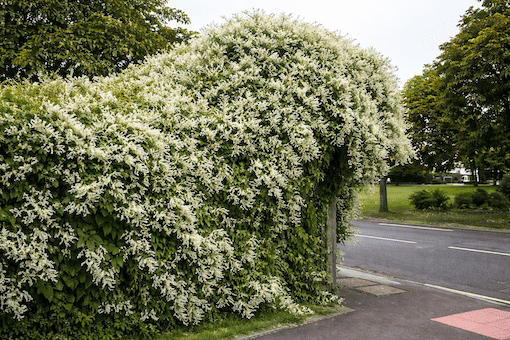
Russian Vine
Russian vine grows rapidly and can cover walls, fences and outbuildings, but it behaves as a scrambling climber rather than an upright invasive perennial with stout canes.
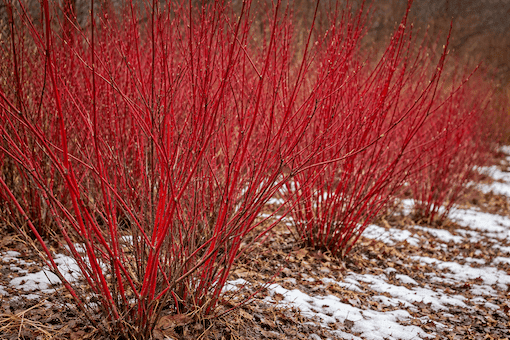
Dogwood
Dogwood can be mistaken for knotweed in winter because of its coloured stems, but it is a woody shrub and does not produce hollow segmented canes or knotweed-style rhizome growth.
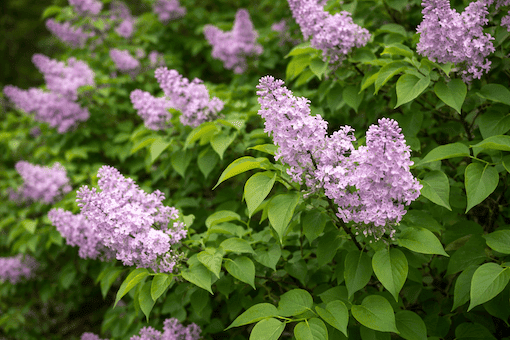
Lilac
Lilac can appear similar in early growth, but it develops as a woody shrub with a different branching habit, a different leaf form and a very different long-term structure.

Bamboo
Bamboo is one of the most common comparisons because it also has canes and visible nodes, but knotweed usually shows broad shield-shaped leaves, a zig-zag stem habit and seasonal die-back.

Why Professional Identification Matters
Misidentification is common. If you are unsure whether a plant on your Crewe property is Japanese knotweed, we can review photographs or arrange a site survey to confirm identification and advise on the next step.
Send us a photo and we’ll give you a fast, professional opinion.
Get Identification Help
No obligation — quick response from a specialist.
When Identification Matters Most
Buying or Selling a Property
If Japanese knotweed is suspected during a property sale or purchase in Crewe, accurate identification can help reduce delay, confusion and unnecessary concern.
Mortgage & Valuation Questions
Lenders, surveyors and solicitors may require professional confirmation where there is concern about suspected Japanese knotweed on or near a property.
Building Works & Site Clearance
If excavation, extension works, demolition, groundworks or redevelopment is planned, identifying knotweed early can help avoid disturbance, programme delays and unnecessary cost.
Frequently Asked Identification Questions
What does Japanese knotweed look like in spring?
It usually starts as red or purple spear-like shoots that quickly gain height and produce fresh green leaves.
What shape are Japanese knotweed leaves?
They are typically shield-shaped or spade-like, with a fairly flat base and a pointed tip.
Does Japanese knotweed flower?
Yes. It often produces small white or cream flower clusters during late summer.
What does knotweed rhizome look like?
When cut, the rhizome often shows a brown outer surface with orange or yellow inner tissue and a deeper orange centre.
Can Japanese knotweed still be identified in winter?
Yes. Dead brown canes, old crowns, site history and rhizome evidence can all help support identification outside the main growing season.
Do I need a professional survey?
If a sale, purchase, mortgage, valuation issue or development project is involved, a professional survey is often the most reliable way to confirm the position.
Professional Standards & Accreditation








Related Knotweed Pages
Local Coverage
Call 0800 020 9171
info@knotweeddoctor.co.uk
Contact Us